
A 3D printing business turns printer time into income by selling finished products, printing customers’ files, designing parts to order or selling digital models. You can start one from home with a single reliable printer if you price your time, sell only designs you are licensed to sell and follow tax and safety rules.
The printer is rarely the hard part. Choosing what to sell, pricing it so your time is paid, and staying within marketplace, copyright and safety rules decide whether the business lasts. For product ideas, see our list of things to 3D print and sell.
The short answer
- Pick one business model first: products, a print service, custom design work, digital files or a print farm.
- Price with the full formula: material, electricity, machine wear, a failure allowance and labor, then fees, packaging, shipping and margin.
- Sell only what you may sell: your own designs or files whose license allows commercial use.
- Handle the paperwork: local licenses and zoning, state sales tax, and self-employment tax once net earnings reach $400.
- Start small: one or two printers and a few tested products before you buy more machines.
3D printing business ideas: five models compared
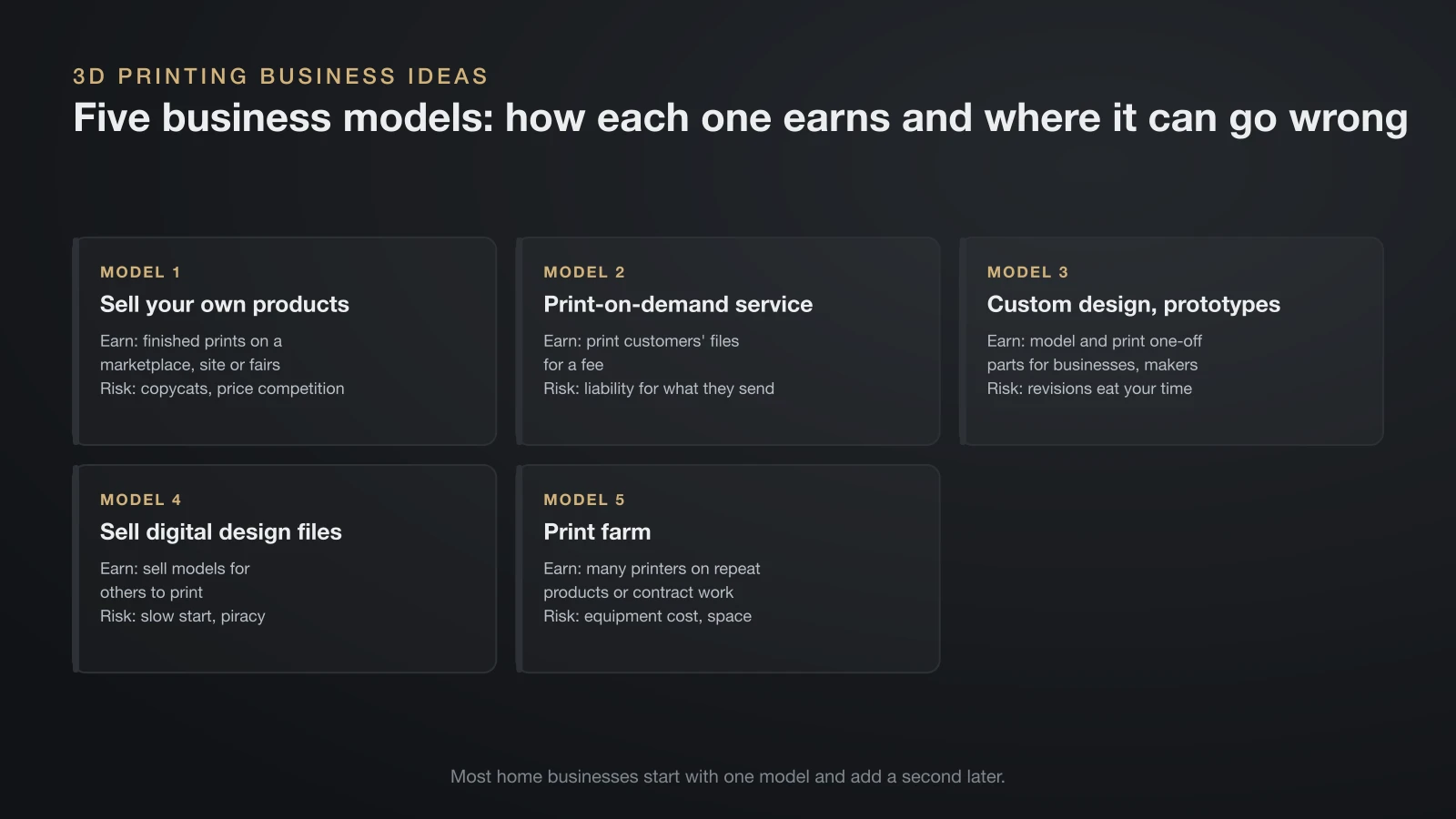
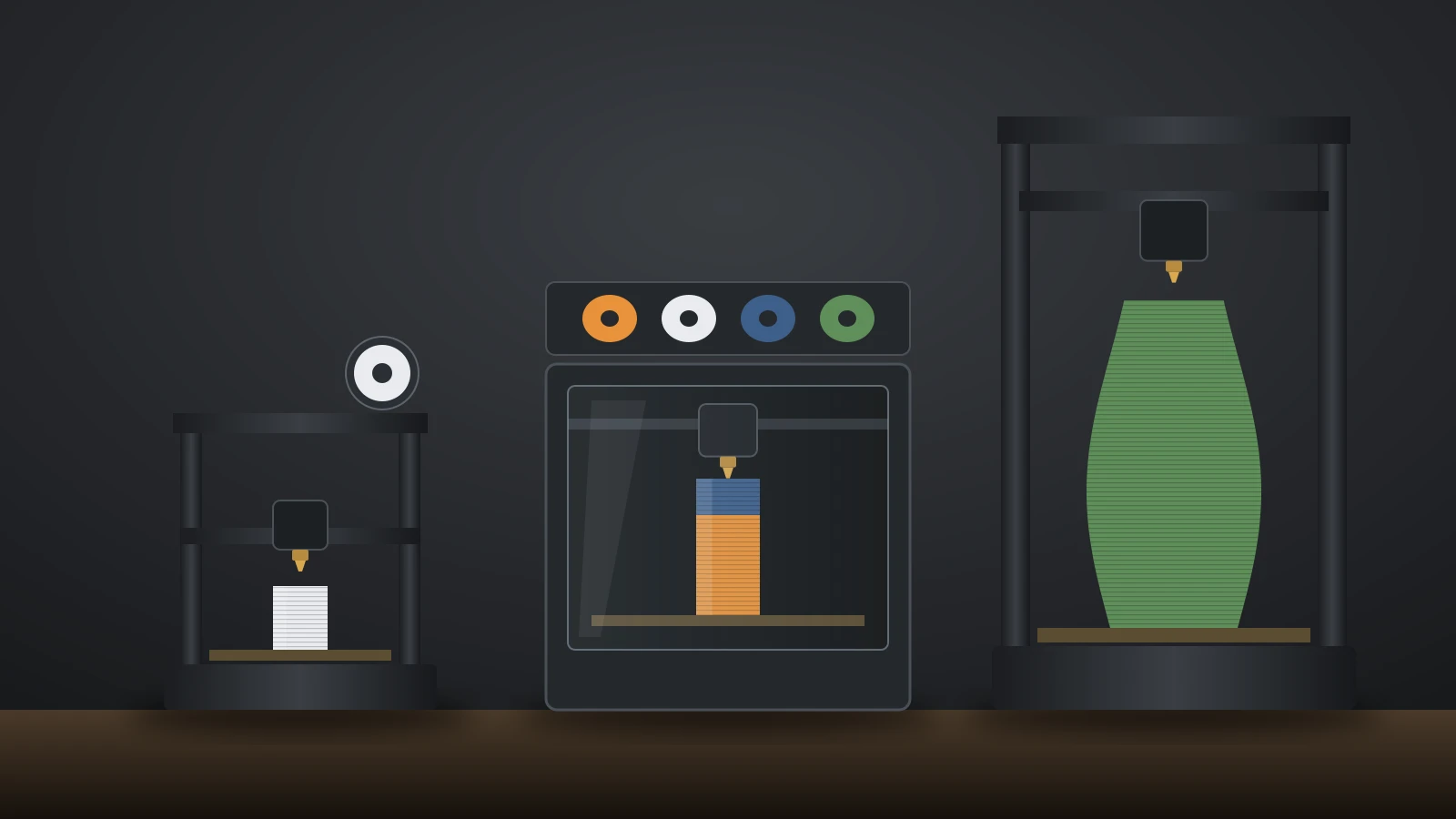
A 3D printing business can follow five main models, and they differ in how much printing, design and customer contact they need. Most home businesses start with one model and add a second later.
| Business model | How you earn | Main skill | Main risk |
|---|---|---|---|
| Sell your own products | List finished prints on a marketplace, your own site or at fairs | Product design, photos | Copycats and price competition |
| Print-on-demand service | Print customers’ files for a fee | Reliable printing, quoting | Liability for what customers send |
| Custom design and prototypes | Model and print one-off parts for local businesses and makers | CAD, communication | Revisions eat your time |
| Sell digital design files | Sell models for others to print | Original design, a following | Slow start, piracy |
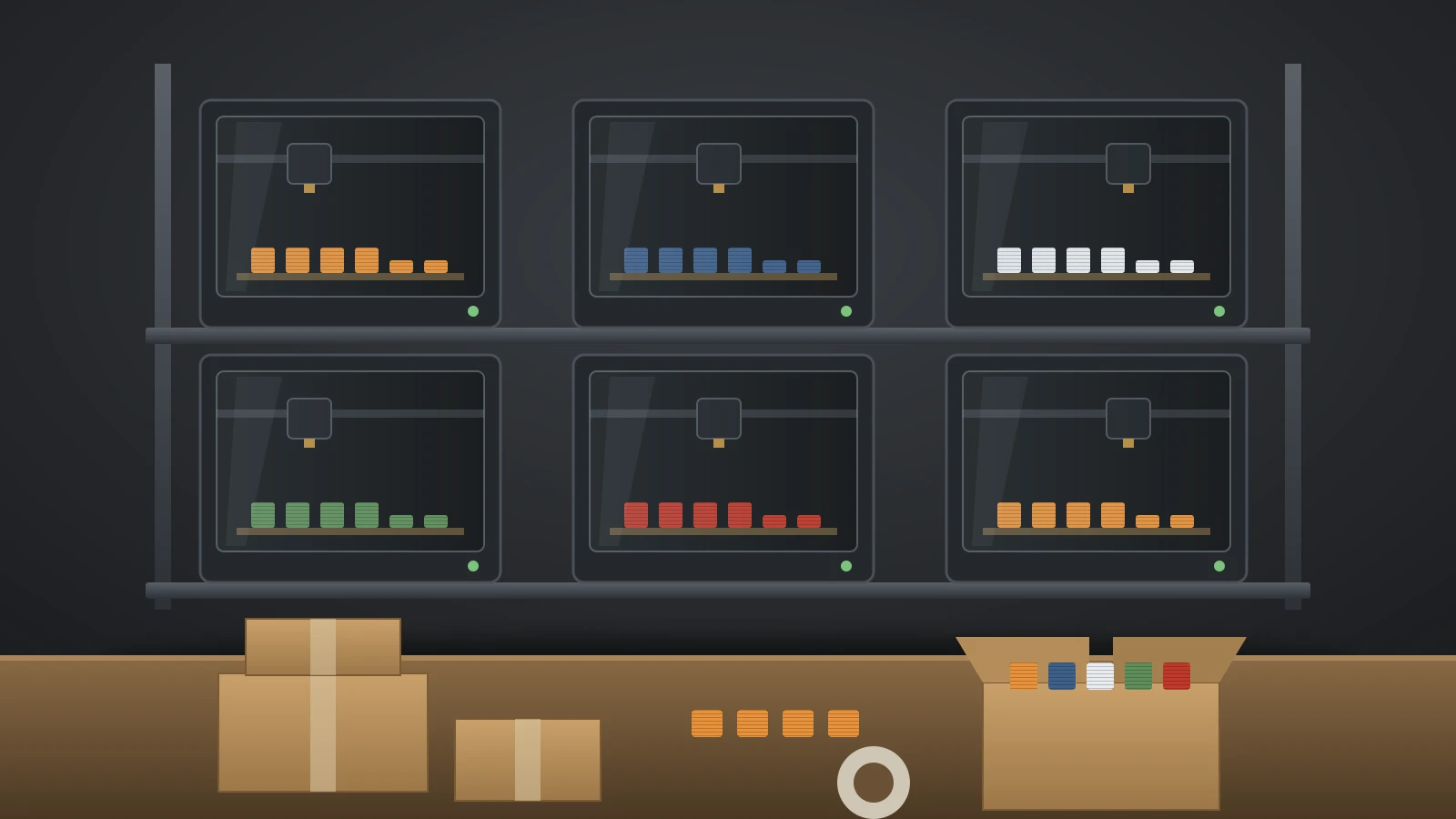
| Print farm | Run many printers on repeat products or contract work | Workflow, maintenance | Equipment cost and space |
Selling digital files scales without printing at all. Printables, for example, opened a paid Store in December 2023 with a $5 minimum price per model and a 20% fee. Print-on-demand and custom design suit people who enjoy solving other people’s problems; they pair well with niche hobbies such as RC planes and 3D printed drone parts.
How to start a 3D printing business from home
Starting a 3D printing business from home follows the same steps as any small business, plus a few checks specific to printed products.
- Choose a niche and a model: pick products or services for a group you understand, such as gamers, makers, car owners or local shops.
- Test demand: print a few samples, photograph them and ask for orders before buying more equipment.
- Price every product: use the formula in the next section, including your time.
- Check the legal basics: business structure, local licenses and zoning, sales tax and model licenses.
- Set up where you sell: a marketplace shop, your own site, local sales or all three.
- Set up your workspace: a stable surface, ventilation for the materials you print and room for packing.
- Track every cost: filament, power, parts, fees and hours, so you know which products pay.
What goes in a 3D printing business plan
A short business plan answers who your customers are, what you sell, how you price it and how many sales cover your costs. Include your product list, a cost sheet per product, sales channels, startup costs, monthly fixed costs and the number of orders you need per month to break even. Update it after the first few months with real numbers.
How much does it cost to start a 3D printing business?
The startup cost of a 3D printing business is mostly the printer, filament, tools and the fees to sell. A small home setup needs:
- A printer: Bambu Lab’s enclosed P1S listed at $399 in its US store in October 2026; our guide to 3D printer cost compares price tiers.
- Filament: Bambu Lab PETG Basic listed at $16.99 per 1 kg spool in October 2026; per-gram figures for other plastics are in our 3D printer filament cost guide.
- Spare parts and tools: nozzles, a build plate, a scraper, flush cutters and calipers.
- Selling costs: marketplace listing and transaction fees from the platform’s own fee page, packaging and shipping supplies.
- Business costs: local license or permit fees, insurance and accounting help where needed.
How to price 3D prints for a business
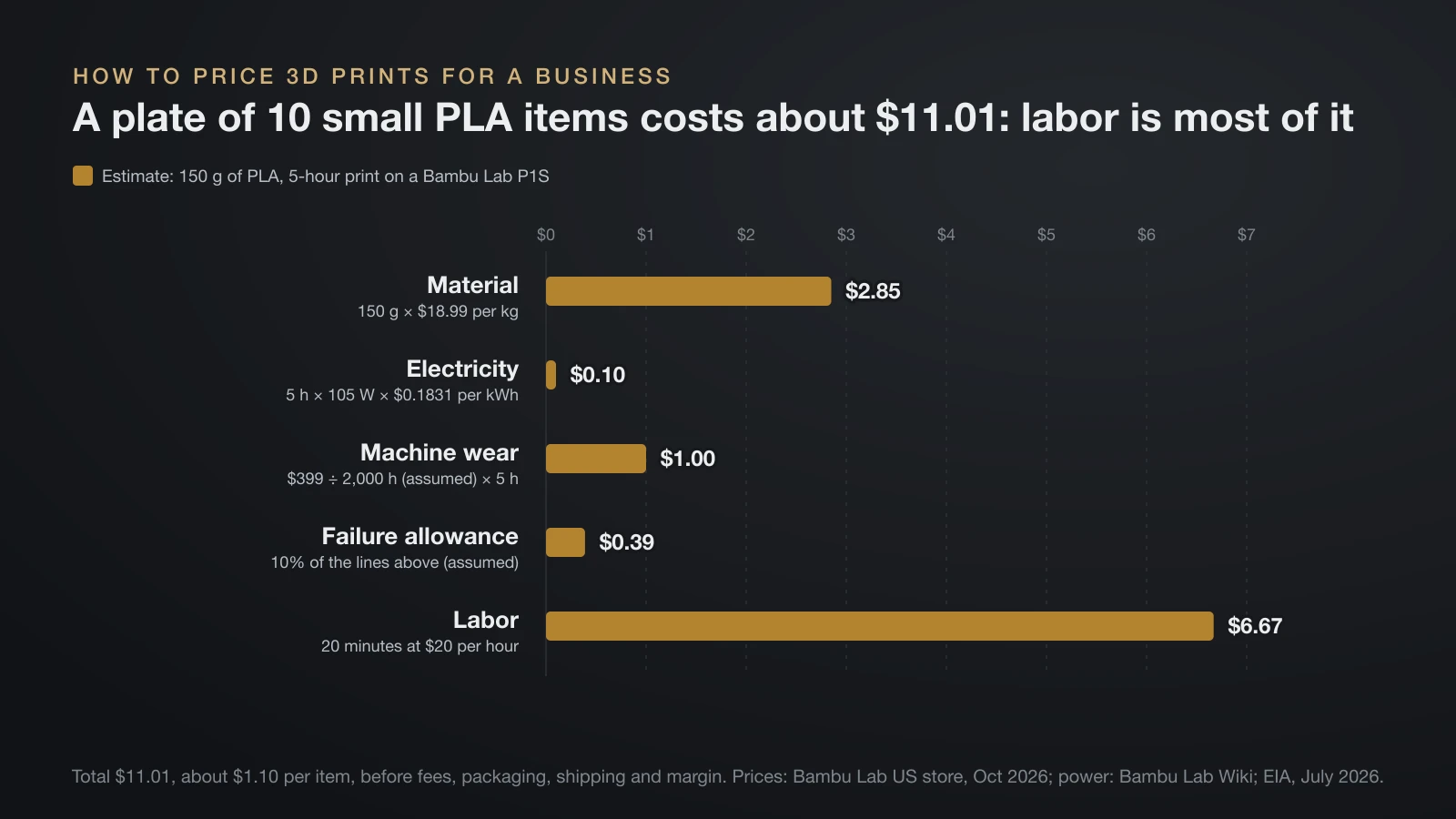
To price 3D prints, add material, electricity, machine wear, a failure allowance and labor, then add packaging, platform fees, shipping and your margin. Our guide to 3D printing cost explains each input; the example below applies it to a batch, because businesses usually print many copies on one plate.
Worked example: a plate of 10 small items (estimate)
This estimate assumes 10 identical items printed together on a Bambu Lab P1S, using 150 g of PLA in a 5-hour print. Every assumption is shown so you can replace it with your own numbers.
| Line | Assumption | Cost |
|---|---|---|
| Material | 150 g × $18.99 per kg (Bambu Lab PLA Basic with spool, October 2026) | $2.85 |
| Electricity | 5 h × 105 W (P1S average, PLA) × $0.1831 per kWh (EIA, July 2026) | $0.10 |
| Machine wear | $399 printer ÷ 2,000 print hours (assumed life) × 5 h | $1.00 |
| Failure allowance | 10% of the three lines above (assumed) | $0.39 |
| Labor | 20 minutes to clear the plate, clean up and pack, at $20 per hour (your rate) | $6.67 |
| Plate total before fees, packaging, shipping and margin | $11.01 | |
| Per item | Plate total ÷ 10 | About $1.10 |
Labor is about 60% of the cost even at a modest rate, so products that print unattended, need no supports and pack quickly keep margins healthy. Batching also helps: the same 20 minutes spread over 20 items halves the labor per item.
Where to sell 3D printed products
You can sell 3D printed products on a marketplace such as Etsy, on your own website, or locally at craft fairs and to nearby businesses. Each channel has its own rules and costs.
Selling 3D prints on Etsy
Etsy’s Creativity Standards list items produced with a 3D printer in the seller’s own home or shop as “made by a seller”, but only when they are based on the seller’s original design. Listings for these items must use original photos or video of the final product. Files you sell as digital downloads must also be your own original designs.
Under that standard, printing someone else’s model does not count as made by you, even when the model’s license allows commercial use. Check Etsy’s current seller fees on its own fee page before you set prices.
Your own site and local sales
Your own website avoids marketplace rules and some fees, but you must bring every customer yourself. Local sales to repair shops, schools, hobby clubs and small manufacturers suit custom parts and prototypes, where customers value fast turnaround and a face-to-face fit check.
Legal basics for a 3D printing business
A 3D printing business must respect model licenses, register and pay taxes like any small business and follow product safety rules. This is general information, not legal or tax advice, and rules vary by state and country.
Model licenses and intellectual property
Free models are not automatically free to sell. On Printables, each designer publishes files under a Creative Commons, GNU or BSD license that they choose, and Prusa states that it grants users no license of its own. Creative Commons licenses with the NC (noncommercial) element forbid use primarily intended for commercial advantage or money, which includes selling prints.
Characters, logos and brand names add copyright and trademark limits that no model license can waive. Our guide to Thingiverse 3D prints shows where licenses appear on model pages.
Business registration and taxes
The Small Business Administration (SBA) says you are automatically a sole proprietor if you do business without registering another structure, which leaves your personal assets exposed to business debts. You may also need to register a “doing business as” name, local licenses and permits, and a state tax ID, depending on your state.
The SBA also notes that zoning rules can apply even to home-based businesses. On the federal side, the IRS requires self-employed people to file an income tax return when net self-employment earnings reach $400 or more, and generally to pay estimated tax quarterly. Ask your state’s revenue department whether you must collect sales tax on what you sell.
Product safety: toys and food contact
Products made for children face extra US safety rules. The Consumer Product Safety Commission (CPSC) requires a Children’s Product Certificate, based on tests by a CPSC-accepted laboratory, for products designed mainly for children 12 or younger.
Food contact is another risk: Prusa does not recommend printed parts for direct food contact, because layer grooves can harbor bacteria. Do not sell cups, plates or cookie cutters as food safe. The SBA lists product liability insurance as coverage for businesses that make and sell products.
Choosing printers for a small 3D printing business
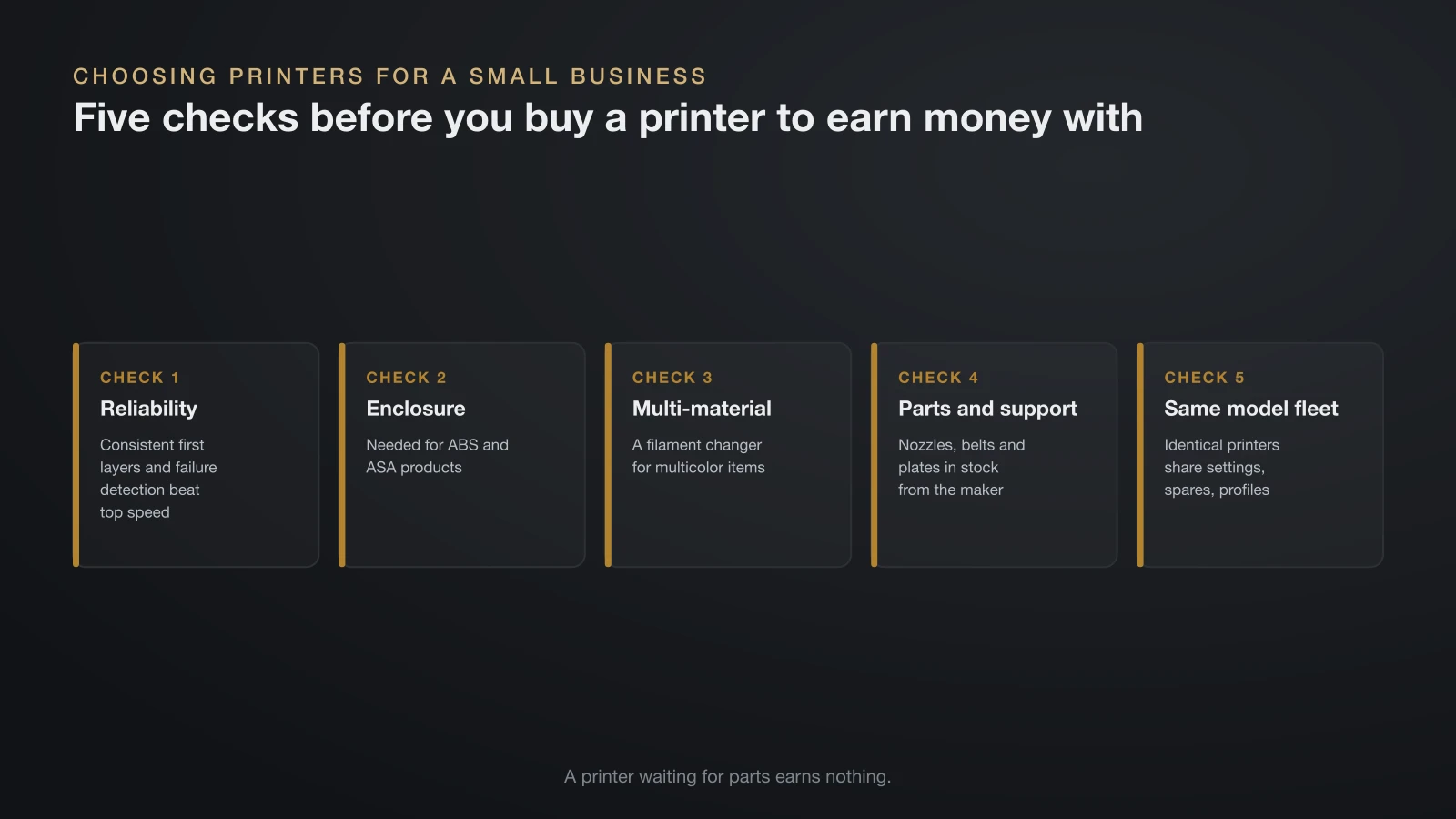
The right printer for a small business is the one that runs long jobs reliably with little attention, prints the materials your products need and can be repaired quickly. Compare these points before buying:
- Reliability: consistent first layers and failure detection matter more than top speed.
- Enclosure: needed for ABS and ASA products; see our guide to enclosed 3D printers.
- Multi-material: a filament changer lets you sell multicolor items; our guide to multi-color 3D printers explains the waste and time trade-offs.
- Parts and support: nozzles, belts and plates in stock from the maker.
- Same model fleet: several identical printers share settings, spares and profiles.
Our overview of 3D printer brands compares the ecosystems, firmware and support of the main makers.
The bottom line
A 3D printing business works best when you pick one clear model, price every product with the full cost formula and count your own time as a cost. Sell only original designs or files with a commercial license, and remember that Etsy’s made-by-seller rule requires your own design. Check local licenses, zoning, sales tax and the IRS $400 self-employment threshold, and follow CPSC rules for anything aimed at children.
Sources
- Etsy: Creativity Standards (items produced with a 3D printer count as made by a seller only when based on the seller’s original design and produced in the seller’s home or shop; original photos required; digital downloads must be original; read via the August 28, 2026 Internet Archive copy)
- Prusa Research: Terms of Service of Printables.com (Creative Commons, GNU or BSD licenses chosen by the uploader; the operator grants users no license), Printables Store launch (December 2023, $5 minimum, 20% fee) and Knowledge Base PLA (not recommended for direct food contact)
- U.S. Small Business Administration: Launch your business (sole proprietorship by default, DBA, state tax ID, licenses and permits by location, zoning for home-based businesses, product liability insurance); Creative Commons: About CC Licenses (NC element and the definition of noncommercial)
- Internal Revenue Service: Self-Employed Individuals Tax Center ($400 net earnings filing threshold, self-employment tax, quarterly estimated tax); U.S. Consumer Product Safety Commission: Children’s Product Certificate (children 12 or younger, CPSC-accepted labs)
- Bambu Lab: US store list prices read October 13, 2026 for the P1S ($399), PLA Basic ($18.99 with spool) and PETG Basic ($16.99 with spool); Wiki printer power parameters (P1S average 105 W printing PLA); EIA Electric Power Monthly, Table 5.6.A (18.31 cents per kWh, July 2026)