
Materials
Bambu Filament Guide: Lineup, Refills, RFID and AMS Fit
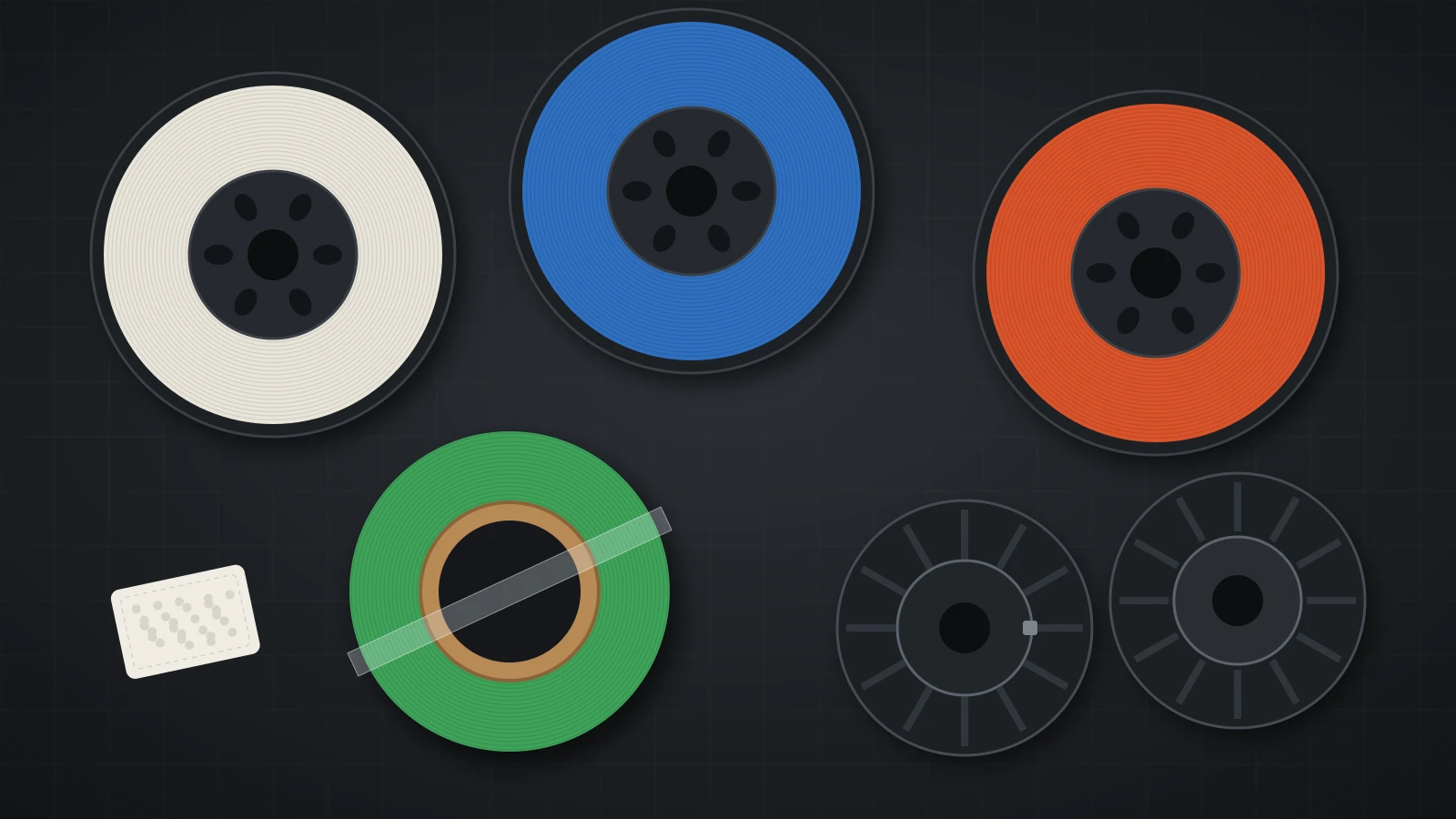
Bambu filament explained: each Bambu Lab line in the US store, nozzle temperatures, AMS fit, refills vs spools, RFID tags and use on other printers.
3D printing materials compared: PLA, PETG, ABS, ASA, TPU, nylon and resin by strength, heat resistance and ease of printing, plus drying and storage.
Bambu filament explained: each Bambu Lab line in the US store, nozzle temperatures, AMS fit, refills vs spools, RFID tags and use on other printers.
PETG filament explained: what PETG stands for, PET vs PETG, data sheet strength and heat vs PLA and ABS, print settings, PETG HF, uses and outdoor limits.
PETG vs PLA vs ABS compared on one maker's data sheets: strength, heat, print settings, fumes and outdoor use, plus which filament to choose for each part.
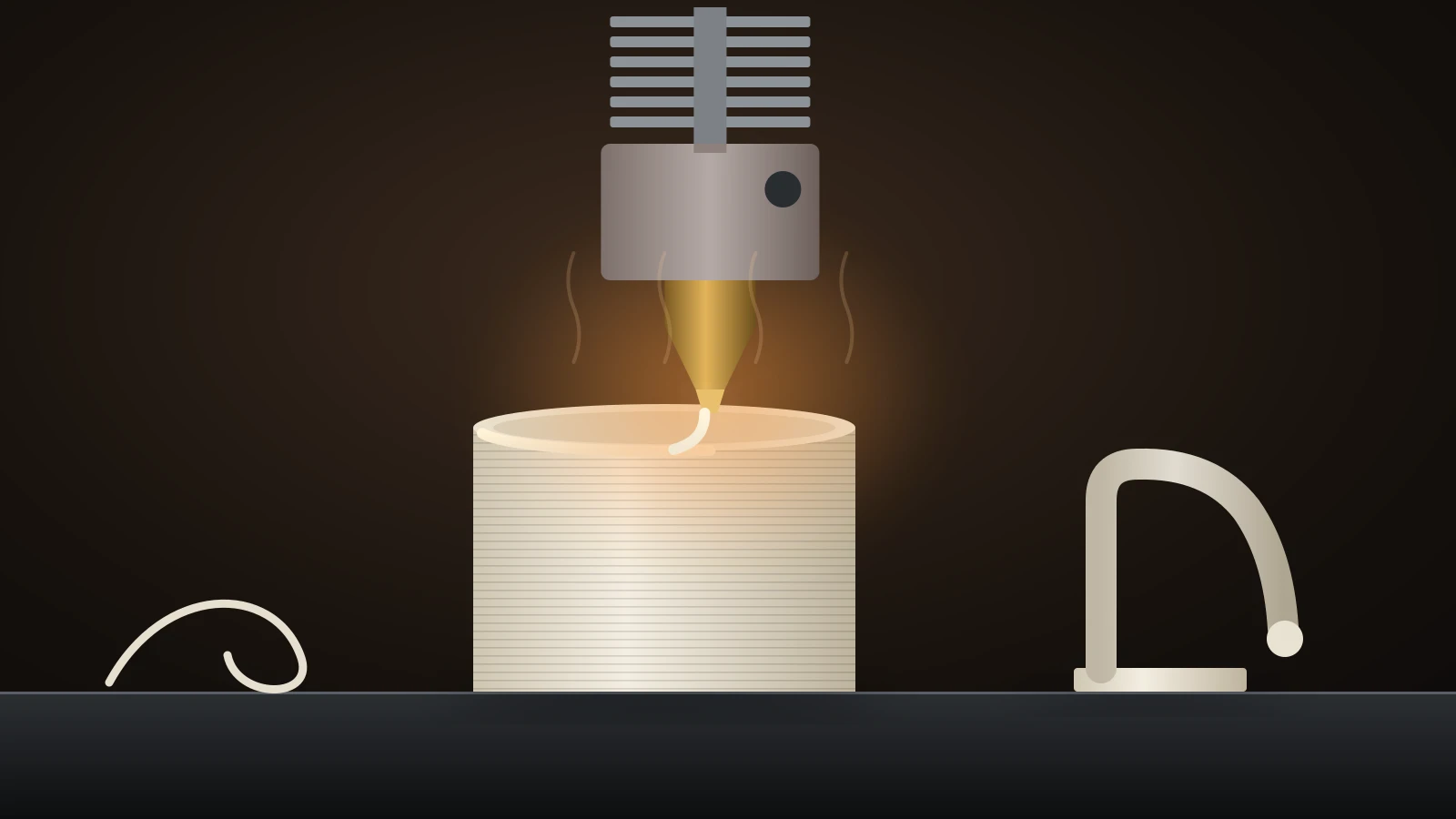
3D printer filament is the plastic strand an FDM printer melts into parts. Compare common materials, pick one for your part and see what to check before buying.
The best filament brands publish their tolerances and data sheets. Compare 12 makers on diameter tolerance, TDS, spools, refills and where they make filament.
Glow in the dark filament wears out brass nozzles. See maker settings for glow PLA and PETG, how long prints glow, how to charge them and what to print with it.
Silk PLA is standard PLA with pearlescent additives for a glossy sheen. Get maker print settings, silk vs regular PLA data, shine tips and common fixes.
ABS vs PLA compared with data sheet numbers: PLA is stiffer and far easier to print, ABS handles heat and impact. See strength, settings, fumes and uses.
LW-PLA foams in the nozzle, so prints can weigh up to 65% less than PLA. See maker data on temperature vs density, flow, retraction and the strength trade-off.
PVA filament is a water-soluble support for two-material printers. See maker print settings, how to dry and dissolve it, and how it compares with BVOH and HIPS.
The strongest filament depends on the load. Compare tensile, layer, impact and heat data for PLA, PETG, ABS, ASA, PC, nylon, PA6-CF, TPU and PEEK.
ABS filament is a tough, heat resistant plastic that prints at 240–270 °C in an enclosure. See data sheet values vs PLA, PETG and ASA, settings and fume safety.
PLA melting point is about 150–175 °C on data sheets, but printed parts soften near 55–60 °C. See the real heat limits, annealing and acetone facts.
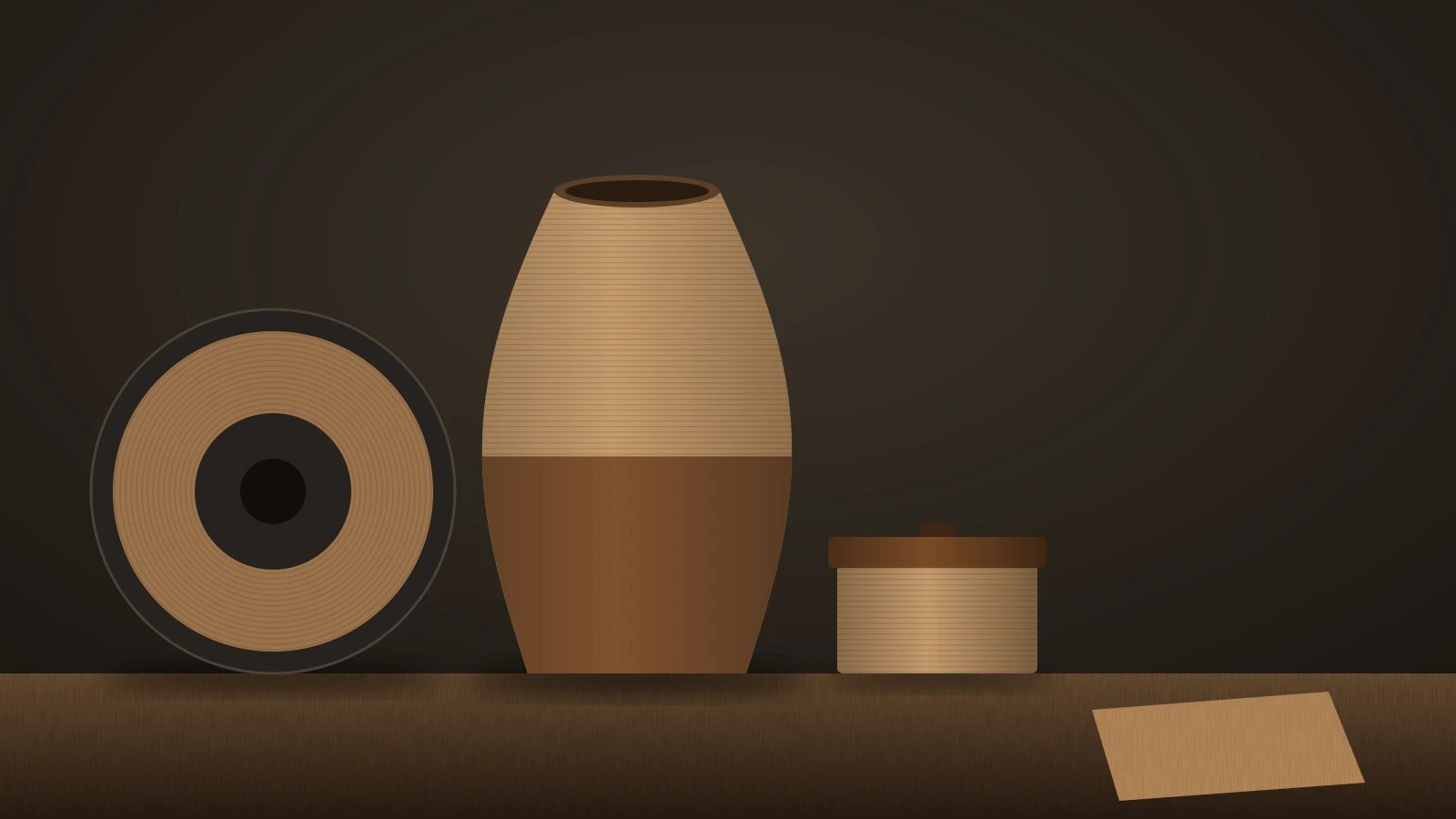
Wood PLA is PLA mixed with wood powder for a matte, sandable, wood-like finish. See real wood content, nozzle and temperature settings, finishing and drying.
A filament dryer removes the moisture behind stringing and popping. See drying temperatures and times per material from maker data, dryer types and oven tips.
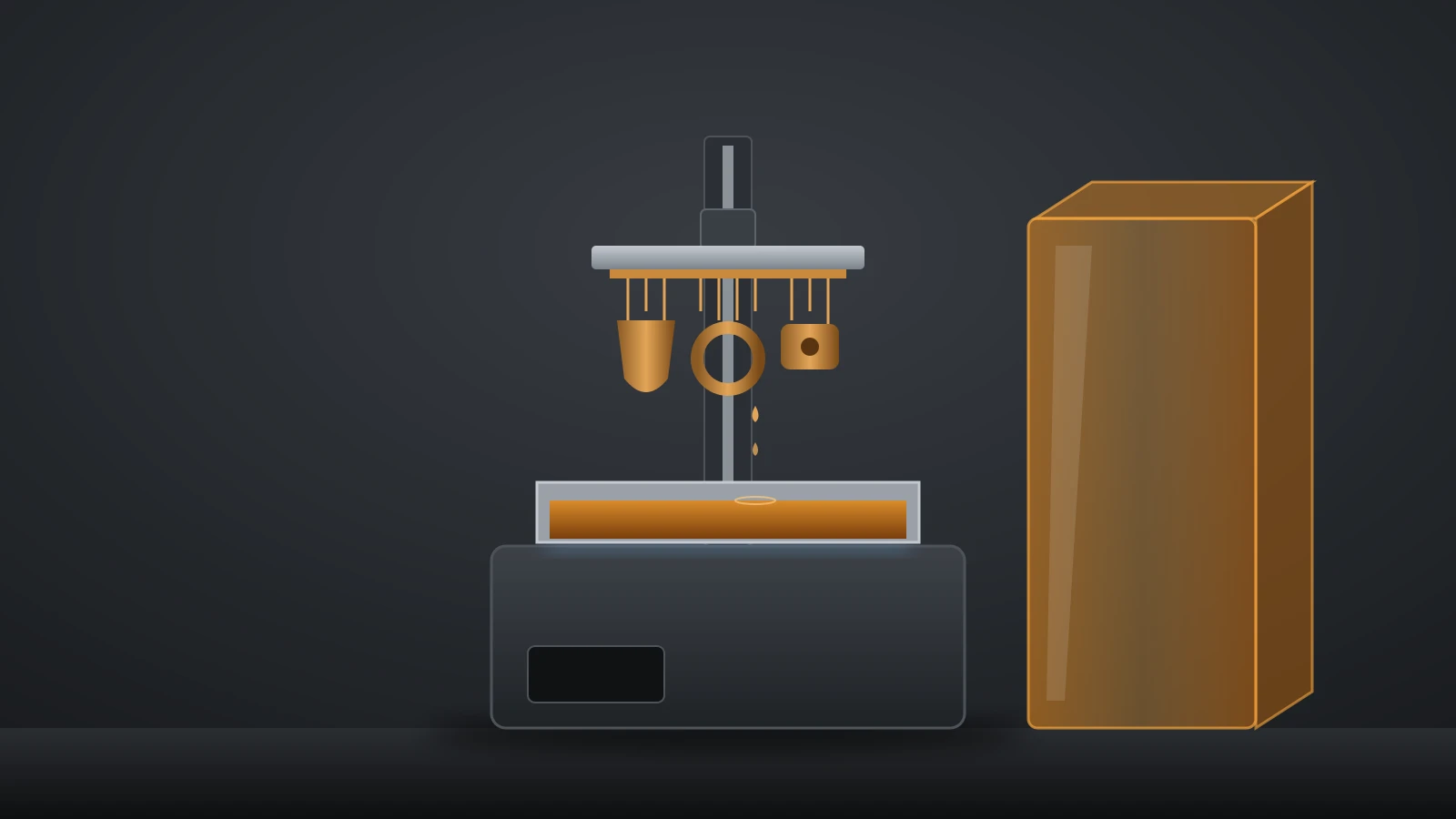
3D printing resin is a liquid photopolymer of monomers, oligomers and photoinitiators. Compare resin types, wash and cure times, safety and storage.
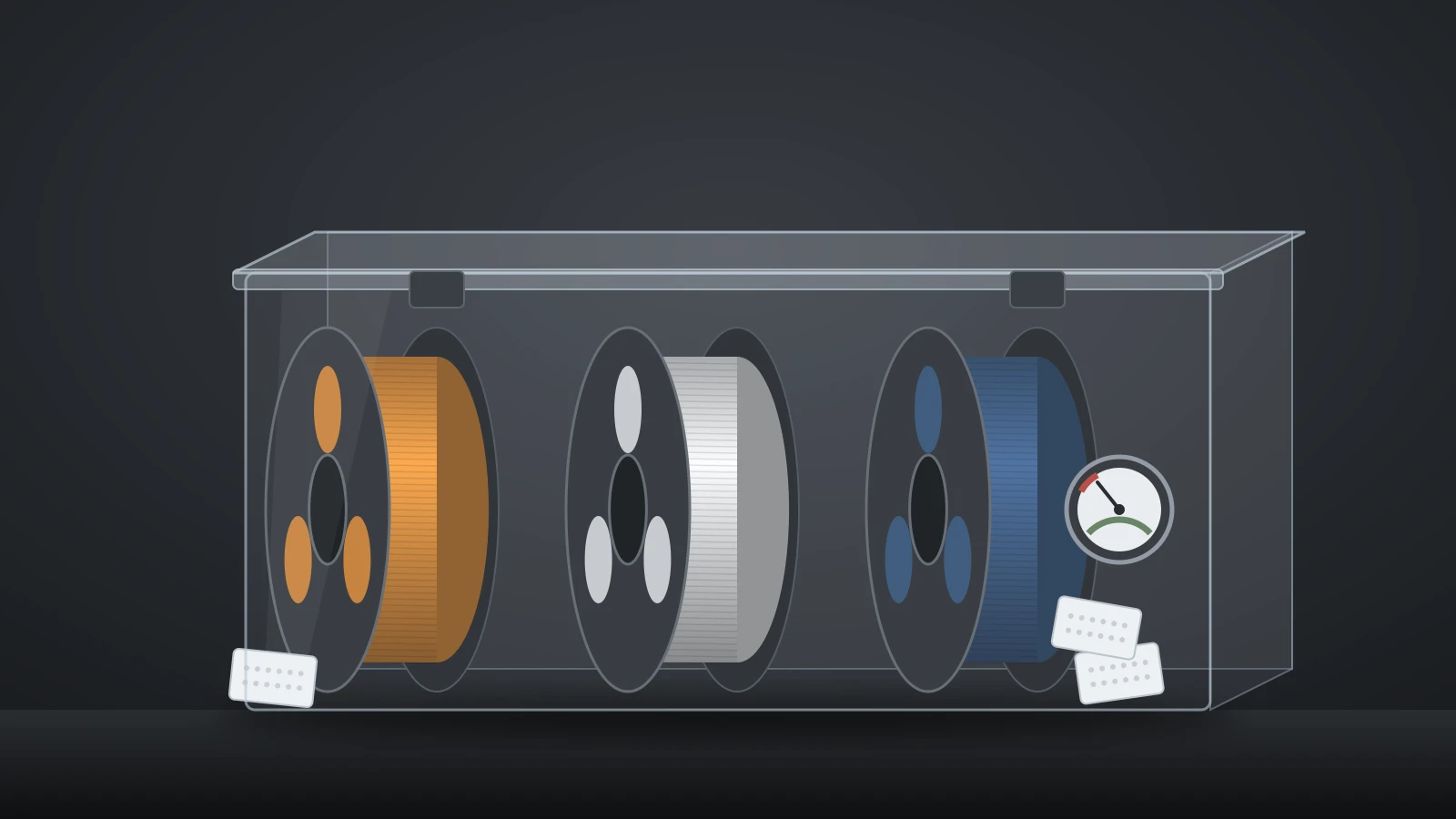
Filament storage that works: humidity targets per material, airtight boxes, desiccant, vacuum bags, dry boxes you print from, spool racks and safe drying.
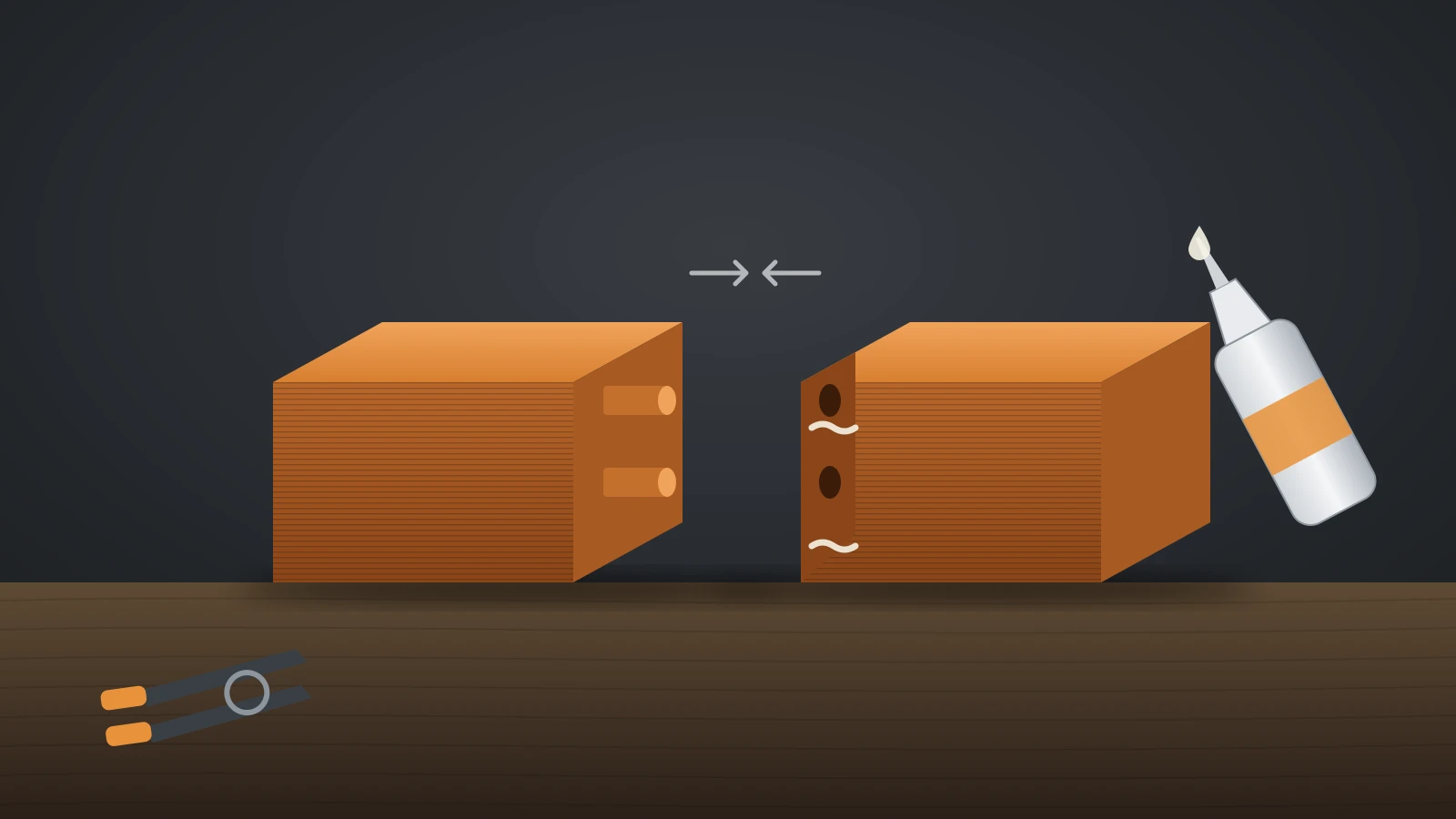
The best glue for PLA depends on the joint: super glue gel for tight fits, two-part epoxy for gaps and loads. Prep steps, PETG and TPU glue, and what to avoid.
PLA filament is the easiest 3D printing plastic. See what it is made of, data sheet properties, print settings, PLA types, food safety and how to store it.
Carbon fiber filament prints stiffer, matte parts with weaker layers. Compare PLA-CF, PETG-CF and PA-CF data sheets, hardened nozzles, drying and dust safety.
Clear PLA prints translucent, not glass-clear. Learn why, the maker settings that raise clarity, clear PLA vs transparent PETG, and how to sand and coat parts.
TPU filament is a flexible, rubber-like plastic for gaskets, grips and cases. Compare Shore hardness grades, data sheet print settings, retraction and drying.
PLA plus has no standard. Compare PLA+, PLA Pro, Tough PLA, HT-PLA and high-speed PLA with data sheet heat and impact numbers, print settings and best uses.
PEEK 3D printer filament prints at 380–400 °C with a 100 °C+ bed and a 150 °C+ chamber. Get settings, annealing, PEKK and PAEK options and price per kg.
PETG temperature settings from maker data sheets: 230–260 °C nozzle, 60–90 °C bed, glue on smooth PEI, fan tips, heat resistance and the melting point myth.
PLA temperature settings from maker data sheets: 190–230 °C nozzle, 35–65 °C bed by plate, first layer tips, silk and high temp PLA, and a temperature tower.
Polycarbonate 3D printer filament is tough and heat resistant but hard to print. Compare it with PETG, ASA and nylon, plus printer needs, blends and settings.
1.75 mm filament fits most 3D printers from Bambu Lab, Prusa and Creality. Check your printer's size, compare it with 2.85 mm and see how far 1 kg of PLA goes.
ASA filament is a UV and heat resistant ABS alternative for outdoor parts. See data sheet numbers vs PLA, PETG and ABS, print settings and fume safety.
Can you 3D print silicone? Not on a normal FDM printer. Compare real silicone printing, flexible resins, TPU and casting in a printed mold, with 2026 costs.
Metal 3D printer filament comes in three kinds: metal-filled PLA, metallic-look PLA and sinterable bound metal. See what each can do and how to print it.
Nylon filament prints tough, low-friction parts but soaks up water. Compare PA6, PA11 and PA12 data sheet numbers, drying, print settings and fume safety.
PCTG filament is a tougher cousin of PETG. Compare data sheet numbers for impact and heat, print settings, bed adhesion tips and when PCTG is worth choosing.
PLA plus vs PLA: brand data sheets show PLA+ with 2 to 9 times the impact strength of regular PLA, but similar heat resistance. See the numbers and settings.