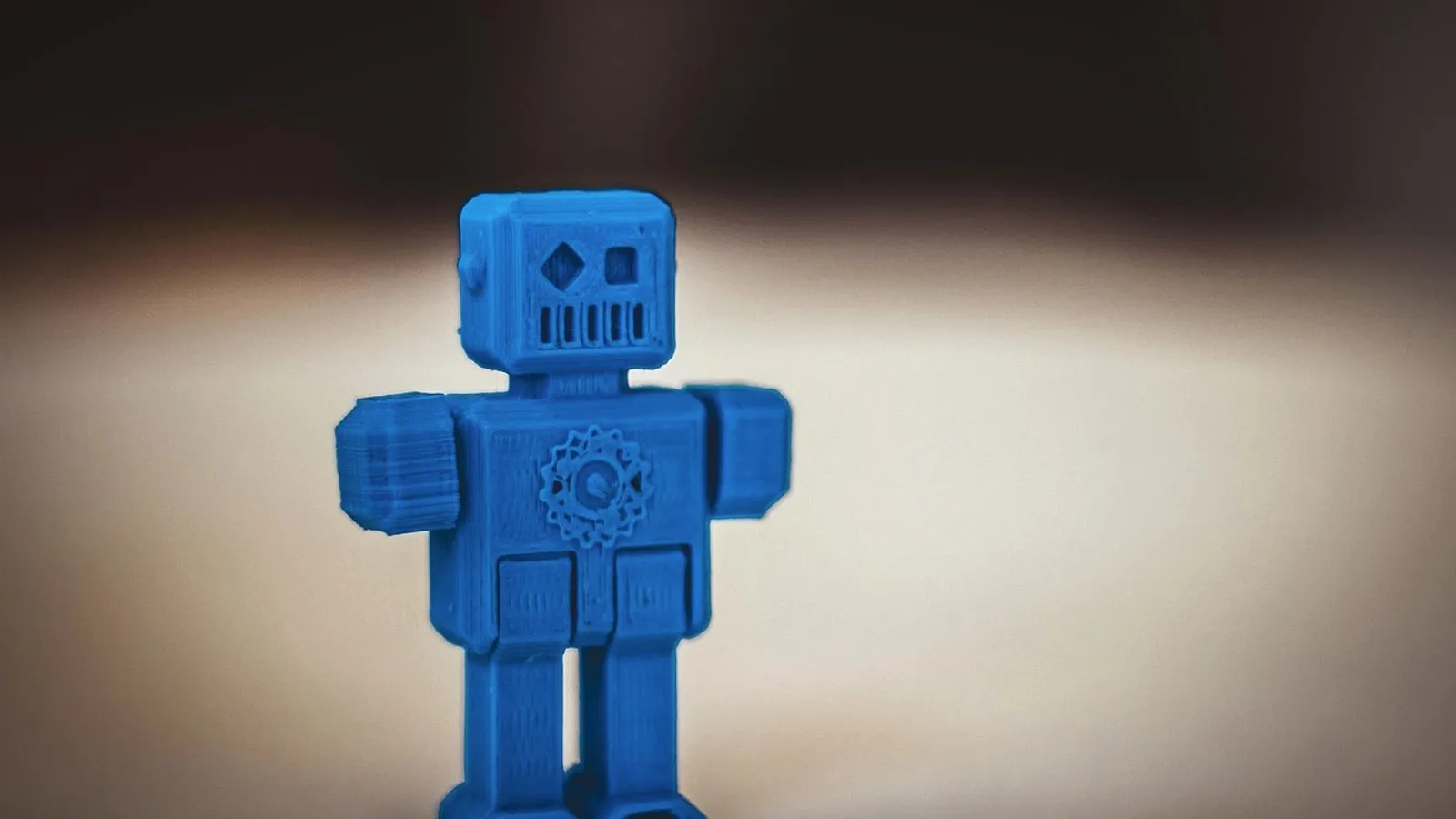
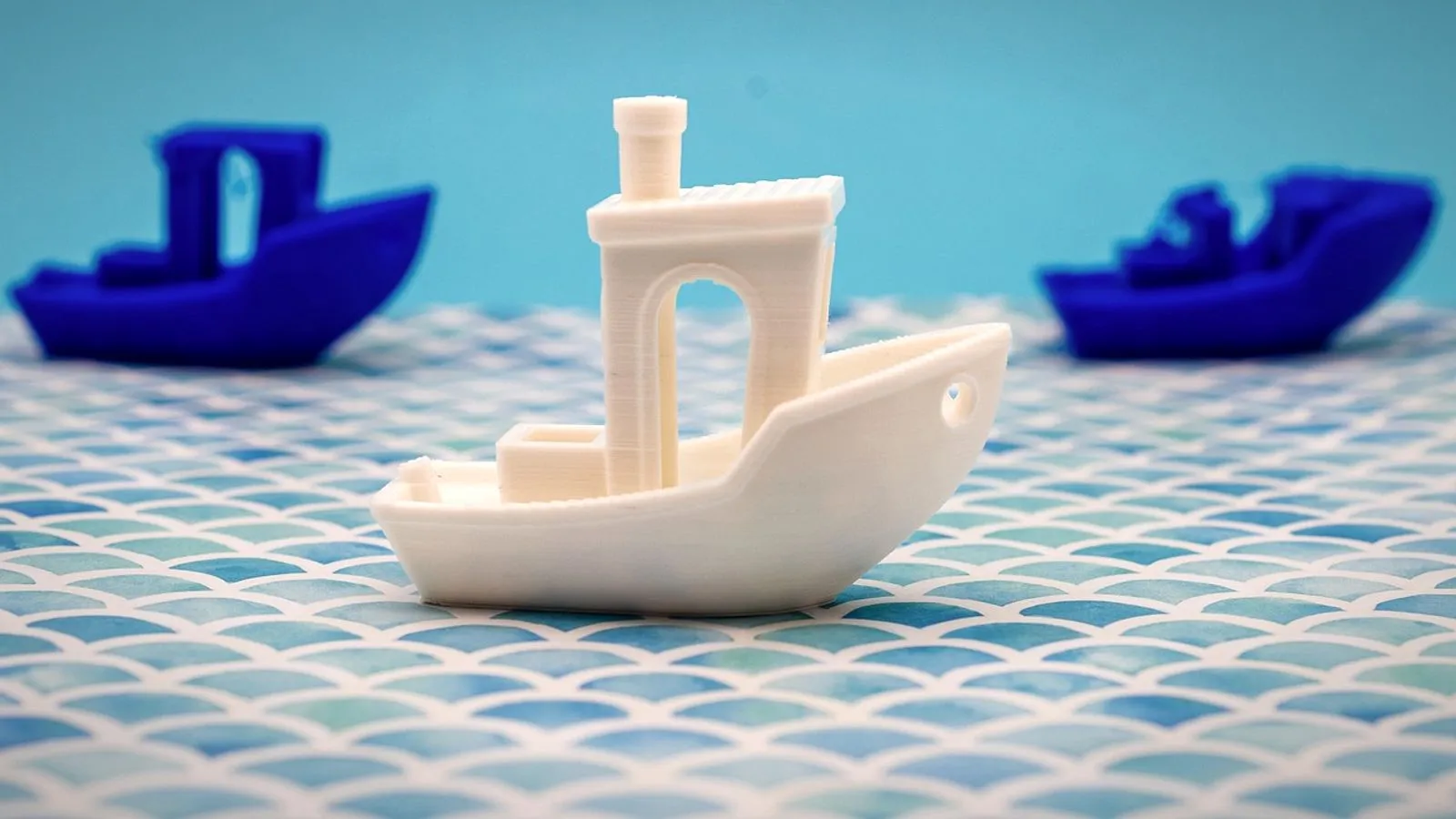
Good 3D print ideas solve a small everyday problem or make a fun gift: drawer organizers, cable clips, phone stands, planters, articulated toys, name keychains and upgrades for the printer itself. Most beginner-friendly ideas print in PLA without supports; outdoor, wet or hot spots call for PETG, ASA or flexible TPU instead.
Below are 50 ideas grouped by where they will live, each with a suggested material, a rough difficulty and whether it needs supports. Shop helpers get their own guide to 3D printed tools that hold up, and figures have a dedicated guide to printing and painting action figures.
Difficulty is a rough guide: Easy prints are small, flat and forgiving, Medium ones need tuned slicer settings or some finishing, and Hard ones involve assembly, heavy supports or a demanding material. Print time depends on size and settings, so the tables leave it out.
The short answer
| If you want… | Start with | Material |
|---|---|---|
| A quick first win | Cable clips, bag clips, a phone stand | PLA |
| Something useful at home | Drawer inserts, wall hooks, a soap dish | PLA or PETG |
| A gift | A name keychain, a lithophane, a planter | PLA |
| Something fun | An articulated dragon, gear fidgets, a marble run | PLA |
| Parts for outdoors or a car | A bird feeder, plant labels, a phone mount | PETG or ASA |
| Better prints | Calibration prints, a spool holder, a tool rack | PLA or PETG |
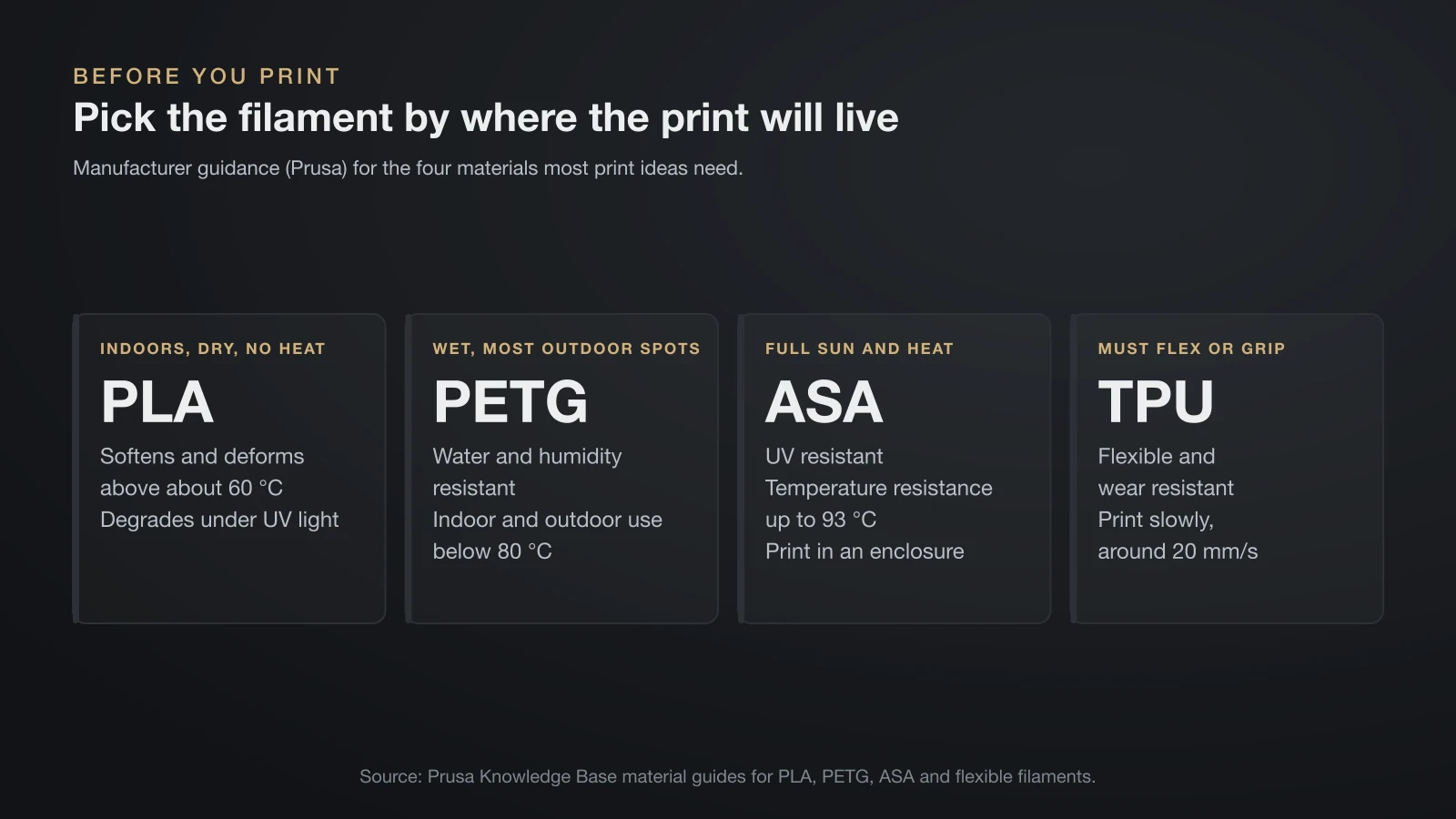
Rule of thumb: PLA for dry indoor objects, PETG for water and moderate heat, ASA for sun and heat, TPU for anything that must flex or grip.
3D print ideas for the home and kitchen
Household prints are where most people start, because the parts are small, flat and easy to measure. Measure twice before printing anything that has to fit.
| Idea | Material | Difficulty | Supports | Tip |
|---|---|---|---|---|
| Bag clips | PLA or PETG | Easy | No | Pick a design with a spring arm that prints flat |
| Drawer dividers and inserts | PLA | Easy | No | Print one short section first to check the fit |
| Wall hooks | PETG | Easy | No | Lay the hook on its side so the load runs along the layers |
| Soap dish or sponge holder | PETG | Easy | No | Prusa lists PETG as water and humidity resistant |
| Furniture feet and door bumpers | TPU | Medium | No | Print flexibles slowly, around 20 mm/s |
| Jar opener | PETG | Medium | No | Add extra walls where the grip ridges are |
| Cookie cutters | PLA | Easy | No | Use them on dough covered with cling film |
A note on kitchen prints: Prusa Research advises against printing dishes or anything that touches food directly, even in PLA or PETG that is food safe as a raw material. The tiny grooves between layers can harbor bacteria, so keep food-contact prints to short, covered contact or skip them.
Desk and cable management ideas
Desk prints reward small, accurate parts, and our guide to 3D printed cable management covers trays, grommets and cable chains as well. If clips and slots come out too tight or too loose, the printer probably needs tuning; our guide on how to calibrate a 3D printer runs through the tests in the right order.
| Idea | Material | Difficulty | Supports | Tip |
|---|---|---|---|---|
| Cable clips and cord wraps | PLA or PETG | Easy | No | Fill one plate with a batch |
| Phone or tablet stand | PLA | Easy | No | Choose a lip deep enough for your case |
| Headphone stand | PLA | Easy | Some | Orient the hook so its curve needs little support |
| Under-desk cable tray | PETG | Medium | No | Fix it with screws if it will carry a power strip |
| Pen cup in vase mode | PLA | Easy | No | Spiral vase mode prints it as one continuous wall |
| SD card and USB stick holder | PLA | Easy | No | Print one slot first; tolerances vary by printer |
Workshop and garage print ideas
Shop prints work when they organize, locate or protect real tools rather than replace them. Hammers, pry bars and anything that lifts a load should stay steel; our guide to which tools are safe to print explains where the line is.
| Idea | Material | Difficulty | Supports | Tip |
|---|---|---|---|---|
| Gridfinity bins and baseplates | PLA | Easy | No | A shared standard, so bins from different designers fit |
| Drill bit index | PLA or PETG | Easy | No | Add raised size labels |
| Socket and wrench organizer | PETG | Easy | No | Lay tools out by size so gaps show missing ones |
| Soft jaws for a bench vise | TPU or PETG | Medium | No | TPU grips and protects finished surfaces |
| Drill guide block | PETG | Medium | No | A guide only; clamp the work with real clamps |
Gift ideas you can personalize
Gifts are easy to personalize with a name, a date or a photo. Two-color gifts work on any printer with a filament change at a set layer; color that changes within a layer is far easier on a multi-color 3D printer.
| Idea | Material | Difficulty | Supports | Tip |
|---|---|---|---|---|
| Name keychain | PLA, two colors | Easy | No | Swap filament at the layer where the letters start |
| Lithophane photo panel | White PLA | Medium | No | Print it upright and light it from behind with an LED |
| Custom planter | PLA indoors, PETG outdoors | Easy | No | Add a matching drip tray |
| Coaster set with inlay | PLA, two or more colors | Easy | No | Thin, flat designs suit color swaps |
| Holiday ornaments | PLA | Easy | No | Print several on one plate |
| Articulated animal | PLA | Easy | No | Print-in-place, so there is nothing to assemble |
Toys, fidgets and print-in-place ideas
Print-in-place toys come off the bed already assembled, with small gaps built into every joint. If the first layer is squished too hard, those gaps close and the joints fuse, so these prints double as a good first-layer test. Small parts can be a choking hazard, so keep them away from young children. Game fans can also turn blocky characters and whole worlds into toys; our guide to Minecraft 3D prints covers exporting a world and sizing it per block.
| Idea | Material | Difficulty | Supports | Tip |
|---|---|---|---|---|
| Articulated dragon or snake | PLA | Easy | No | Flex each joint gently right after printing |
| Gear fidget or spinner | PLA | Easy | No | Clean the edges so the gears turn freely |
| Infinity cube | PLA | Easy | No | Print-in-place hinges; check the first layer |
| Marble run | PLA | Medium | Some | Start with a small modular set and add tracks |
| Puzzle box | PLA | Medium | Some | Print one test piece to check the tolerances |
| Board game organizer | PLA | Easy | No | Measure the box’s inside height first |
Cosplay, props and figure ideas
Props and figures are the most demanding ideas on this list. Large parts are split into sections, glued, filled and sanded; PLA should be sanded wet, with water keeping it cool. Support scraps can be surprisingly sharp and fly off during removal, so wear safety glasses. For painted, poseable models, see our action figure printing guide; for armor, helmets and wearable props, see 3D printed cosplay.
| Idea | Material | Difficulty | Supports | Tip |
|---|---|---|---|---|
| Helmet or mask | PLA | Hard | Yes | Split it into parts that fit your bed |
| Display prop sword or blaster | PLA | Medium | Some | Check event rules on prop weapons first |
| Armor plates | PLA with TPU straps | Medium | Some | TPU straps flex as you move |
| Action figures | PLA or resin | Medium | Yes | Use fine layers for faces and hands |
| Tabletop miniatures | Resin or PLA | Hard | Yes | Print one test mini before a whole army |
Outdoor and car ideas
PLA is the wrong plastic here: it degrades under UV light and starts to soften and deform above about 60 °C (140 °F). PETG suits most outdoor parts below 80 °C (176 °F). ASA adds UV resistance and handles up to 93 °C (199 °F); our ASA filament guide covers how to print it.
| Idea | Material | Difficulty | Supports | Tip |
|---|---|---|---|---|
| Bird feeder | PETG or ASA | Easy | Some | Leave drain holes in the seed tray |
| Plant labels | ASA or PETG | Easy | No | Raised text stays readable after weathering |
| Hose guide stakes | PETG | Easy | No | Keep hoses off garden beds |
| Phone mount for the car | ASA | Medium | Some | Car interiors get hot, so skip PLA |
| Bike light or camera mount | PETG or ASA | Medium | Some | Check it for cracks before each ride |
Anything that lives in a vehicle needs more thought than a phone mount; our guide to 3D printed car parts covers heat, materials and what not to print.
Printer upgrades and calibration prints
Prusa prints parts of its own printers in PETG and lists fan shrouds among typical ASA prints, because ASA handles more heat. ASA warps a lot, and Prusa calls an enclosure necessary for large ASA parts, one reason to look at enclosed 3D printers if you want to print it regularly.
| Idea | Material | Difficulty | Supports | Tip |
|---|---|---|---|---|
| Calibration cube and temperature tower | Your usual filament | Easy | No | Print these before parts that must fit |
| Spool holder | PETG | Easy | No | A bearing makes spools unwind smoothly |
| Filament guide | PETG | Easy | No | Keep the path from spool to extruder smooth |
| Tool holder for the printer frame | PLA | Easy | No | Keep the scraper and cutters within reach |
| Filament swatches | Each filament | Easy | No | Print one per spool to compare colors |
Art and decor print ideas
Decor prints are about looks, so silk and multi-color filaments earn their keep here. For sculpture, generative and kinetic pieces, see our guide to 3D printed art.
| Idea | Material | Difficulty | Supports | Tip |
|---|---|---|---|---|
| Vase in spiral mode | PLA or silk PLA | Easy | No | A single wall may seep; use a glass insert for water |
| Lamp shade | PLA | Medium | Some | LED bulbs only, because PLA softens above about 60 °C; clear PLA spreads the light |
| Layered wall art | PLA, several colors | Medium | No | Color swaps at set layers create depth |
| Sculpture or bust | PLA | Medium | Yes | Rotate it to hide support marks on the back |
| Kinetic sculpture or gear clock | PLA or PETG | Hard | Some | Print and test the gears before the frame |
How to pick your next 3D print
The best next print is one that survives where it will live. Before you hit print:
- Name the job and the place. Indoors or outdoors, wet or dry, near heat or in the sun, loaded or decorative.
- Match the material using the table below.
- Check the model. A flat base and gentle overhangs print easily. Parts that start in mid-air need supports, and rotating or splitting a model can often avoid them.
- Read the comments and user photos on the model page. Other people’s prints reveal problems before you waste filament.
- Print a small test of any part that must fit something else, then print the full part.
| Where it will live | Material | Manufacturer guidance |
|---|---|---|
| Indoors, dry, no heat | PLA | Softens and deforms above about 60 °C; degrades under UV light |
| Wet areas, most outdoor spots | PETG | Suited to indoor and most outdoor use below 80 °C |
| Full sun, heat, long-term outdoors | ASA | UV resistant; temperature resistance up to 93 °C |
| Must flex, grip or cushion | TPU | Flexible and wear resistant; print slowly |
Tougher PLA blends sit between PLA and PETG for everyday parts; our comparison of PLA+ vs PLA explains the difference.
Where to find models for these ideas
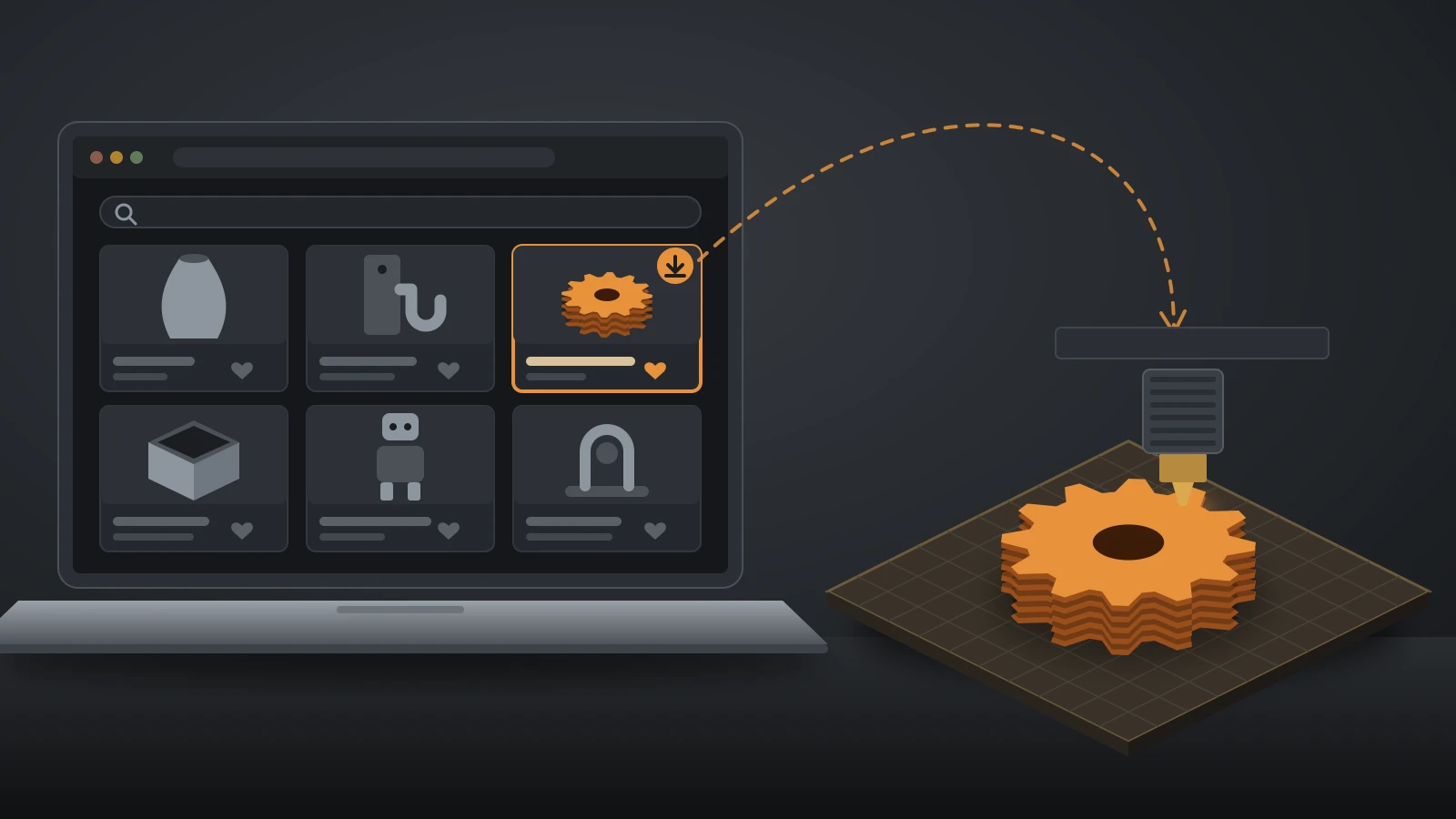
Three free libraries cover most of the ideas above: Printables, MakerWorld and Thingiverse. Our guide to Thingiverse 3D prints shows how to pick a reliable model and check its license. Search by function (“drawer divider”, “spool holder”) rather than by a vague theme, and favor models with plenty of user prints and good ratings. If a download is almost right, you can edit the STL file to resize it, cut it or add text instead of starting over.
Check each model’s license before you share or sell prints. Many designs are shared under Creative Commons licenses, and the NonCommercial versions forbid commercial use such as selling prints. When nothing fits, simple parts like spacers, labels and brackets are a good first design project in a free CAD program; our guide on how to make 3D models for printing walks through the steps and design rules.
If you want to turn prints into income, our guide to things to 3D print and sell covers what buyers want and how to price each piece.
What not to 3D print
Skip or rethink these:
- Dishes and food containers for regular use: layer grooves can harbor bacteria.
- Anything that carries a person or a heavy load: ladder parts, climbing gear, brackets over your head.
- Safety gear you rely on, such as helmets for actual protection or tool guards.
- Parts near real heat, like PLA near a heater, stove or incandescent bulb.
- Weapons and copyrighted designs without checking local law and the model’s license.
The bottom line
Start with small, flat, useful prints in PLA, then move to toys, gifts and props as your settings improve. Pick the material by where the print will live: PLA indoors, PETG for water, ASA for sun and heat, TPU for flex. And keep printed plastic away from food, heavy loads and safety-critical jobs.
Sources
- Prusa Knowledge Base: PLA (softens and deforms above 60 °C, degrades under UV, not for outdoor or technical use, wet sanding, not recommended for direct food contact because layer grooves can harbor bacteria)
- Prusa Knowledge Base: PETG (indoor and most outdoor use below 80 °C, water and humidity resistant, Prusa printer parts made of PETG, food-contact advice)
- Prusa Knowledge Base: ASA (UV resistant, temperature resistance up to 93 °C, significant warping, enclosure necessary for large parts, fan shroud sample print, ventilation)
- Prusa Knowledge Base: Flexible materials (typical print speed about 20 mm/s, flexible and wear resistant, uses such as washers, tires and shoe soles)
- Prusa Knowledge Base: Support material (parts starting in mid-air need supports, reorienting or splitting models, sharp support pieces and eye protection)